The Modern Malady: People with Impoverished Minds
The Neurological Origins of Everyday Malice and the Philosophy of Targeted State Infrastructure to Prevent Developmental Deprivation
Malice Grows From a Poor Mind, Not From Genes
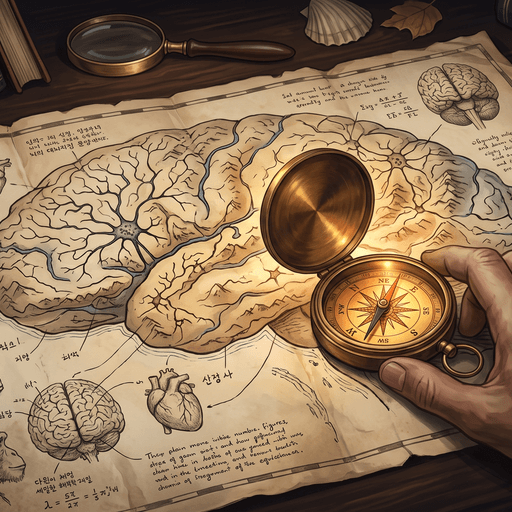
Human genes carry no moral label, only neurobiological dispositions such as impulsivity and a high or low capacity for empathy. As Caspi's longitudinal study showed, children born with the MAOA deficit but raised in warm, stable homes did not turn to violence; the malignancy appeared only when genetic vulnerability met chronic neglect and deprivation in childhood.
People With Impoverished Minds, and How to Respond
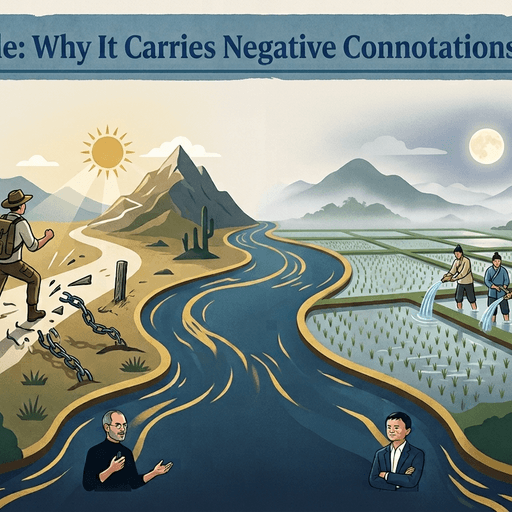
Quiet exclusion, backbiting, gaslighting and abuse of rank come from wealthy homes too, because the poverty in question is not a bank balance but the love and respect a child never received. Those on the receiving end should not internalize the attack but separate it as the other person's symptom, and defend their daily peace with documentation, rules and procedure rather than moral appeals.
Personality Sets in Adolescence: Focus on Ages 0 to 18
After the synaptic pruning and myelination of adolescence the brain's flexibility closes, and the rank-order stability of personality already reaches adult levels at 16 to 18. Conduct disorder left uncorrected through late adolescence hardens into antisocial personality disorder in adulthood. Grown adults cannot be changed, so solutions must gather around preventing deprivation during the growing years.
Two Fixed Costs of the 18 Growing Years
The material axis is the pure survival and growth cost, excluding private tutoring: over 18 years about 139.86 million won in Korea, 13.86 million yen in Japan and $147,240 in the United States. The non-material axis is the parent's neurological energy, drained by sleep deprivation and hyperarousal, the emotional-buffer role and the mental load of daily management. When both axes meet poverty, harsh words and neglect follow and the child is left with deprivation.
Blind Spots in Three Nations' Support Systems
Korea's application-based system misses the most endangered children and its child allowance ends at age 8. In Japan, single-parent poverty reaches 44.5%, meals are left to volunteer children's cafeterias, and part-time school counselors cannot build trust. In the United States, WIC and SNAP prohibit buying diapers, and in poor districts one counselor serves 500 to 1,000 students.
The State's Pinpoint Duty
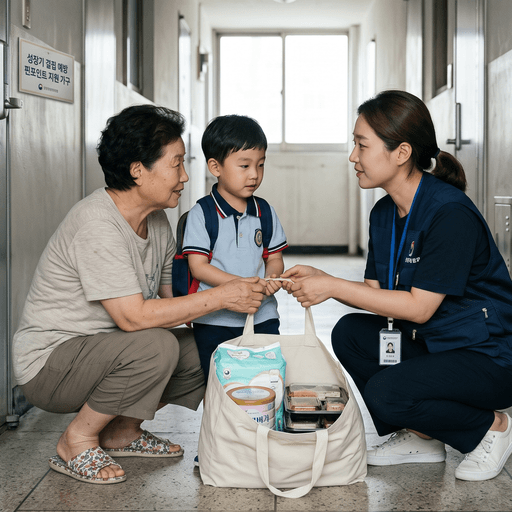
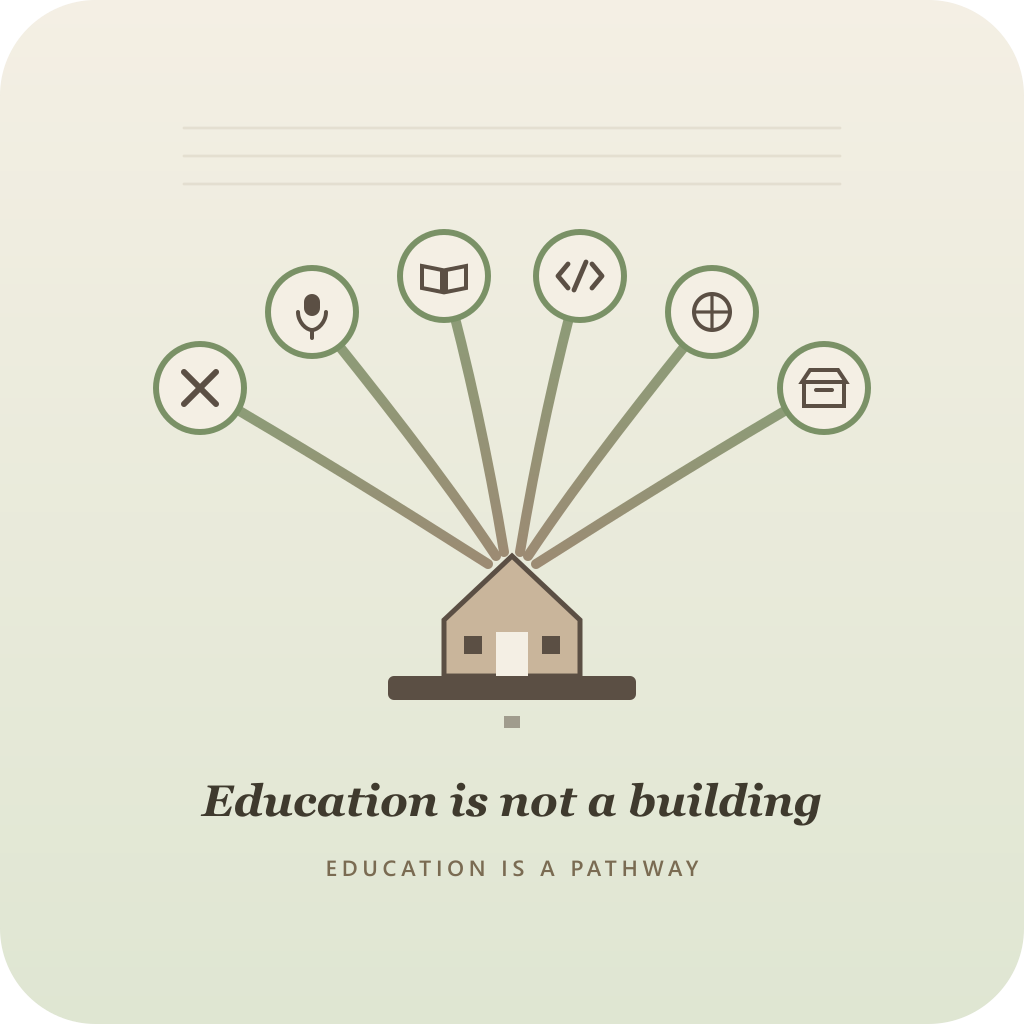
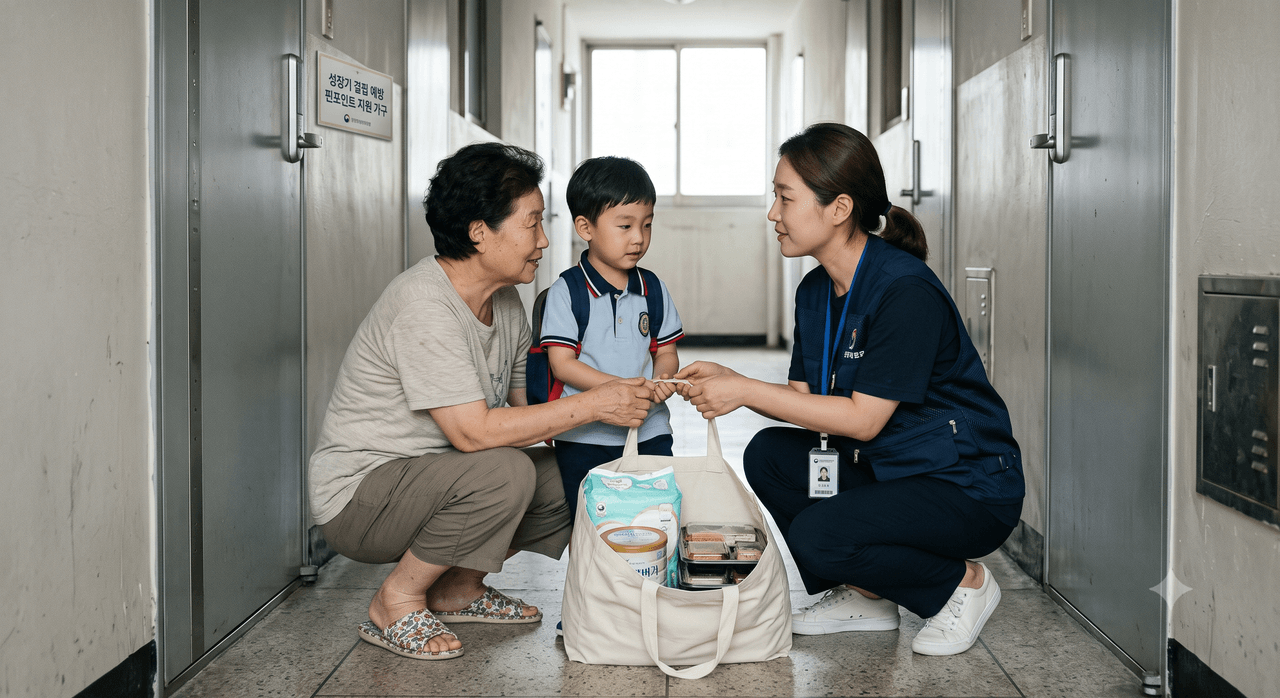
The state should not be an omnipotent provider but intervene precisely at the most critical point of deprivation. For poor households that means diapers and formula delivered whatever the paperwork, meals without gaps and essential medical care, guaranteed unconditionally; for every child, wealthy homes included, it means stigma-free psychological care in schools and communities and open-door youth hubs.
Insights
Learn more