Hikikomori: When the Home Was a Workplace
Don't call it escape. They are in preparation. — 200 years of devaluing domestic labor
Not Escape — Preparation
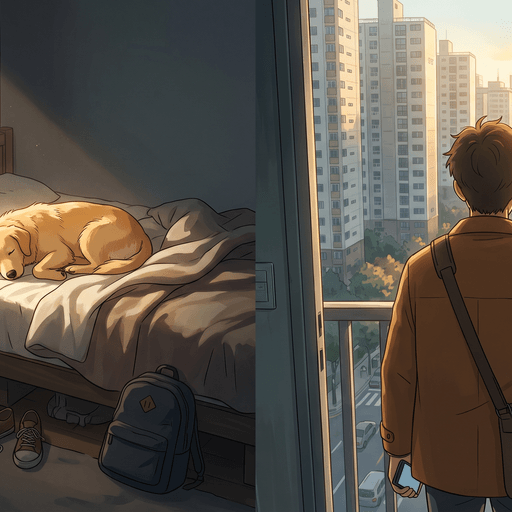
People don't flee to a locked room; they end up there when they lack even the strength to flee. The room is not a choice but a recovery space. Calling it "escape" is the first misread that has driven 30 years of failed policy.
200-Year Roots
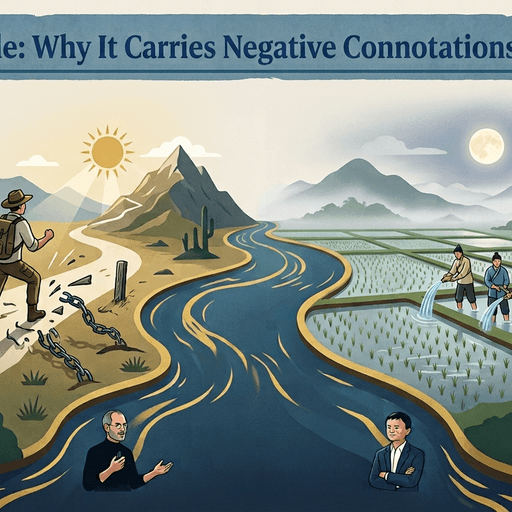
For thousands of years, the home was the workplace. The Industrial Revolution split the world into "the workplace" and "the home" — and demoted domestic labor to the status of non-work. Hikikomori is not a 1990s phenomenon but the harvest of a 200-year-old seed.
The Devaluation of Domestic Labor
Cooking, cleaning, childcare did not shrink in volume — they lost their status. "Real work" became defined by wages. Domestic labor was expelled from the category, and with it, anyone who stayed home became "not working" by definition.
Korea's Compressed 200 Years
What the West took two centuries to complete, Korea compressed into 30-40 years. The Korean apartment is the "least productive home" in human history — leaving adult children there looks like a problem because there is literally nothing left to do.
Housework as the Lowest Step
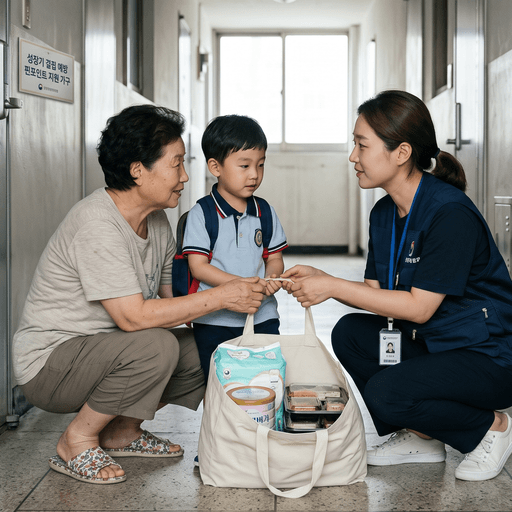
Behavioral activation requires a first step small enough to actually take. For someone who cannot leave the room, "take a walk" is too high. Washing one dish, folding one shirt — the first step must happen inside the home. Results are immediately visible, which confirms the achievement.
Preparation, Not Reintegration
Current policy tries to pull withdrawn people back into the workforce. This essay proposes the opposite frame: restoring the home as a legitimate site of meaningful labor, so preparation itself is recognized as productive — not as absence from "real life."
Insights
Learn more