Is Loving and Being Unable to Quit Alcohol Genetic?
Exploring the Essence of Addiction and Self-Control Through GLP-1 (Wegovy) Experiences and Biological Mechanisms
The Wrong Question: "Is It Genetic?"
Asking whether drinking is genetic assumes a single "drinker gene" that decides your fate, and no such gene exists. Neuroscience and psychiatry describe drinking behaviour as a complex biological outcome woven from three distinct pillars: an innate brain, an innate body, and learned self-control. Splitting the question into those three parts is what makes it answerable — each pillar carries a very different degree of heritability.
Pillar 1 — A Brain Wired for Pleasure (~50% Heritability)
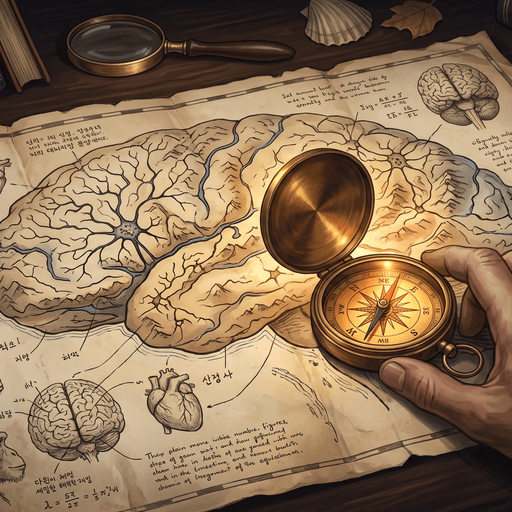
The reward pathway linking the nucleus accumbens and the ventral tegmental area floods the brain with dopamine when stimulated, and twin studies put the sensitivity of that pathway at roughly 50% genetic. That explains why someone indifferent to sweets, shopping, or gambling can still crave alcohol specifically: the reward circuit has substance-specific triggers, and yours may fire hardest for alcohol. Alcohol also binds inhibitory GABA receptors, so it instantly suppresses stress and relaxes the brain — a soothing relief some of us are simply born more sensitive to.
Pillar 2 — Physical Tolerance (~100% Heritability)
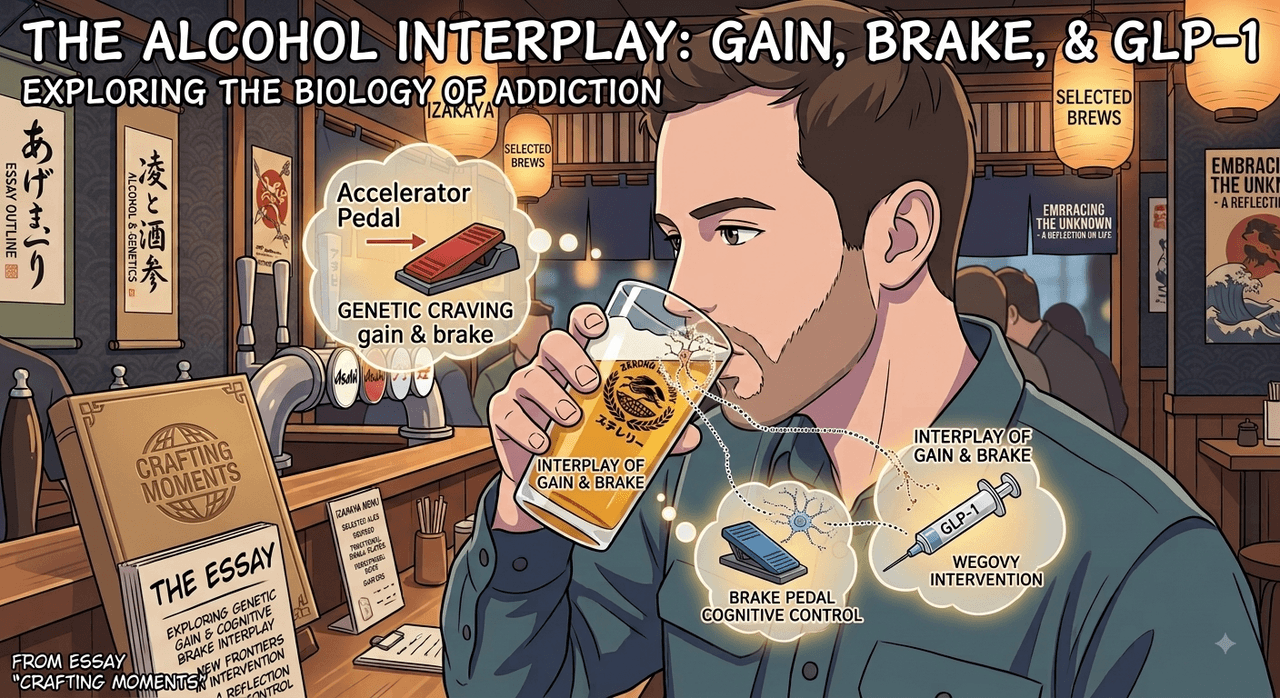
How your body metabolises alcohol is almost entirely governed by genetics. Roughly 30 to 50 percent of East Asians carry the ALDH2*2 variant, which lets toxic acetaldehyde build up fast and produces flushing, nausea, and real discomfort — a natural genetic brake. The interplay with Pillar 1 is decisive: a pleasure-hungry brain in a body with no brake accelerates explosively, while the same brain behind an active ALDH2 brake finds the urge curbed by biological limits.
Pillar 3 — Self-Control and Cognitive Blunting (~0% Heritability)
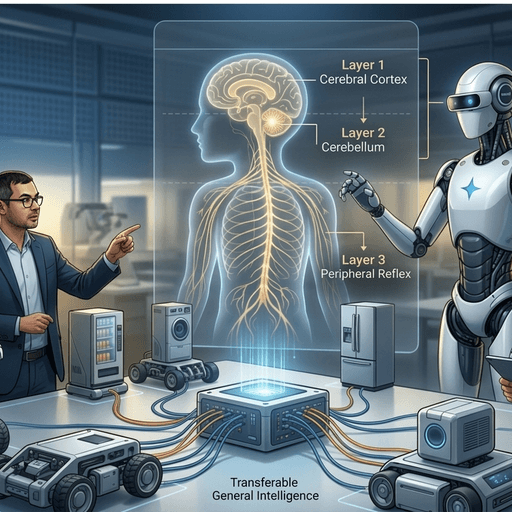
The inhibitory control run by the prefrontal cortex — the brakes — is largely non-genetic, shaped instead by learned behaviour, environment, and stress-coping habits. So why is it so hard to use? First, the accelerator built by Pillars 1 and 2 is simply too powerful and overpowers the prefrontal cortex. Second, the moment alcohol reaches the bloodstream it pharmacologically impairs the prefrontal cortex itself, blunting executive judgment exactly when you need it most.
What Happened On and Off Wegovy
While I was taking Wegovy (semaglutide), my urge to drink dropped dramatically — even at gatherings I could tell myself "that's enough for tonight" and put the glass down effortlessly. The moment I stopped, it felt like a switch flipped: the intense craving came back, and after the first drink my ability to moderate was gone again. That matches emerging clinical research on GLP-1 receptor agonists — semaglutide acts on GLP-1 receptors in the nucleus accumbens and VTA, dampening alcohol-induced dopamine spikes, so the drug was easing off the accelerator and letting my conscious brakes do their job.
So Is Quitting Impossible Without Wegovy?
Losing control again after stopping the drug raises the daunting thought that you may need medication for life, and the core difficulty is that the urge strikes long before the first sip — telling someone in that state to just use willpower is like telling a starving person to ignore the feast in front of them. Off medication you are still not helpless: reroute your path during the trigger hours, ride out the wave with a 15-minute rule since an intense craving peaks and subsides in roughly 15 to 20 minutes, and shock the brain with substitutes like 0.0% beer, spicy food, or cold water on the face. Wegovy served as proof of concept that my brain can control itself once the accelerator is dialled back; the remaining work is dialling it back with habits and environment instead of an injection. Genetics may have handed you a high-performance car, but where genetics end and conscious strategy begins, how much you drink tonight can finally change.
Insights
Learn more