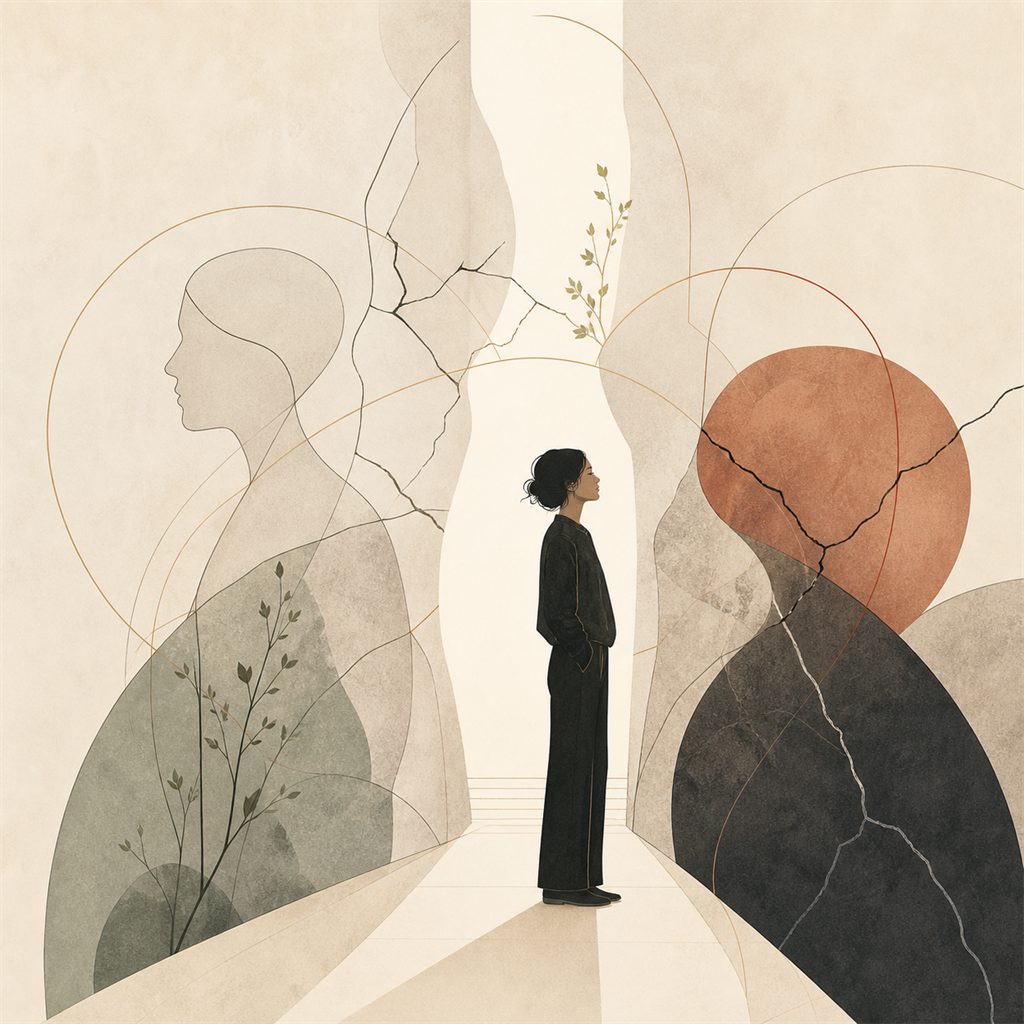
Why Can't Human Beings Live Without Suffering?
A reflection on modern mental suffering, invisible wounds, and the relationships that make both pain and recovery possible
The Pain That Rose Onto the Screen
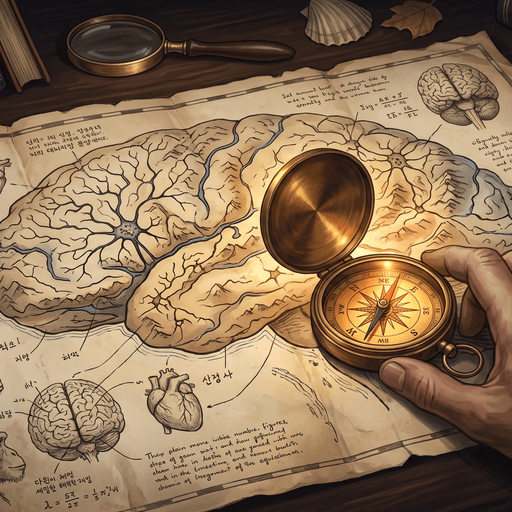
What once stayed hidden now appears openly in comments, reels, and everyday self-description: counseling, psychiatry, anxiety, ADHD, depression, burnout. The essay starts from that changed visibility and treats it as a social signal, not a spectacle.
Abundance Did Not Remove Invisible Wounds
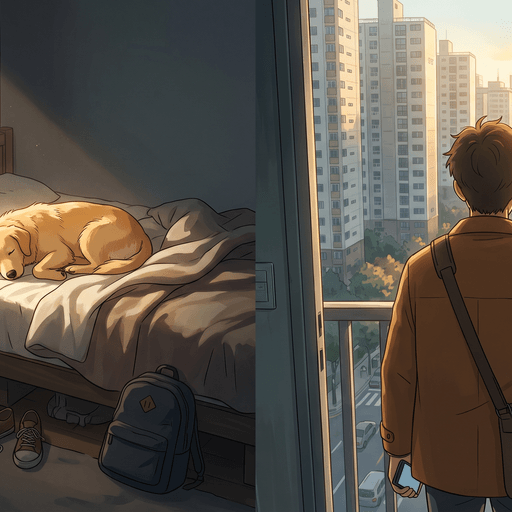
Modern life softened many bodily hardships, yet mental pain became more legible through comparison, speed, judgment, and uncertainty. A visible wound needs little explanation. An invisible wound keeps asking to be believed.
Diagnosis as a Social Bandage
A diagnostic name can help others understand that pain is real. But the essay separates a condition from an identity: a bandage clarifies a wound; it should not become the room a person must live inside forever.
Interaction Makes Pain and Recovery
Human beings are hurt through comparison, disappointment, rejection, and misrecognition. Yet they also recover through comfort, recognition, and reliable connection. The same field called relationship generates both injury and healing.
Protection Can Sever Contact or Help Us Bear It
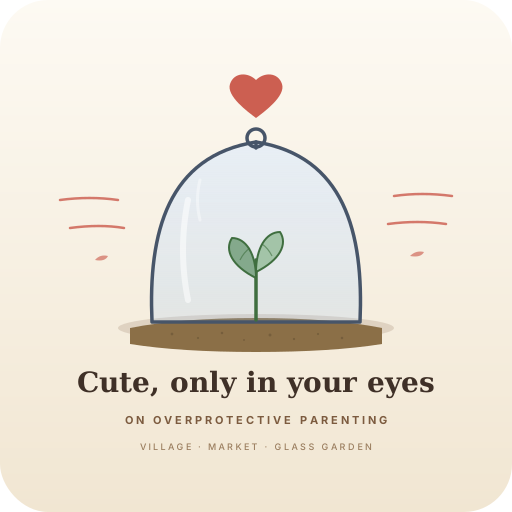
Overprotection erases the small frictions by which people learn the world. Supportive protection does something different: it lets contact happen while keeping a person from being abandoned inside it.
Do Not Worship Pain. Learn Its Conditions.
The point is neither to romanticize suffering nor to block every discomfort. The point is to know what kind of pain breaks the self, what kind reveals it, what relationships exhaust us, what restore us, and what direction lets us move again.
Insights
Learn more