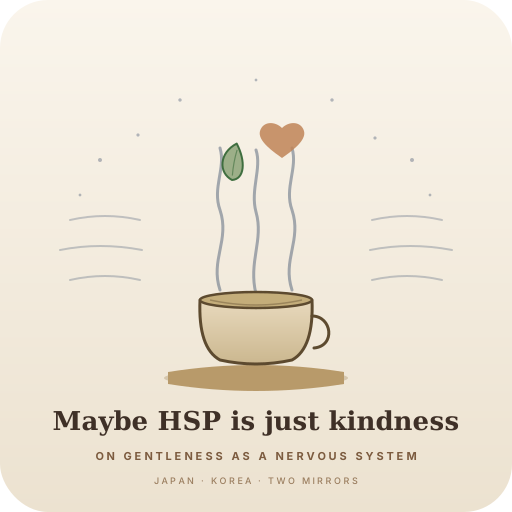
Maybe HSP Is Just a Kind Person
Japan turned sensitivity into a diagnosis. Korea turned distraction into one.
A Word Found on note.com
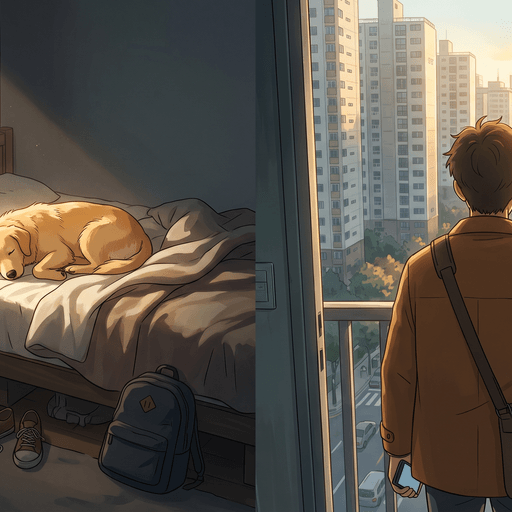
Reading Japanese essays late at night, one word kept appearing — HSP. Self-introductions, café diaries, breakup memoirs. A word that sounded like a diagnosis, but read like a description of a personality. The opening question of the essay: "Isn't this just a kind person?"
Aron's Four Traits, 1996
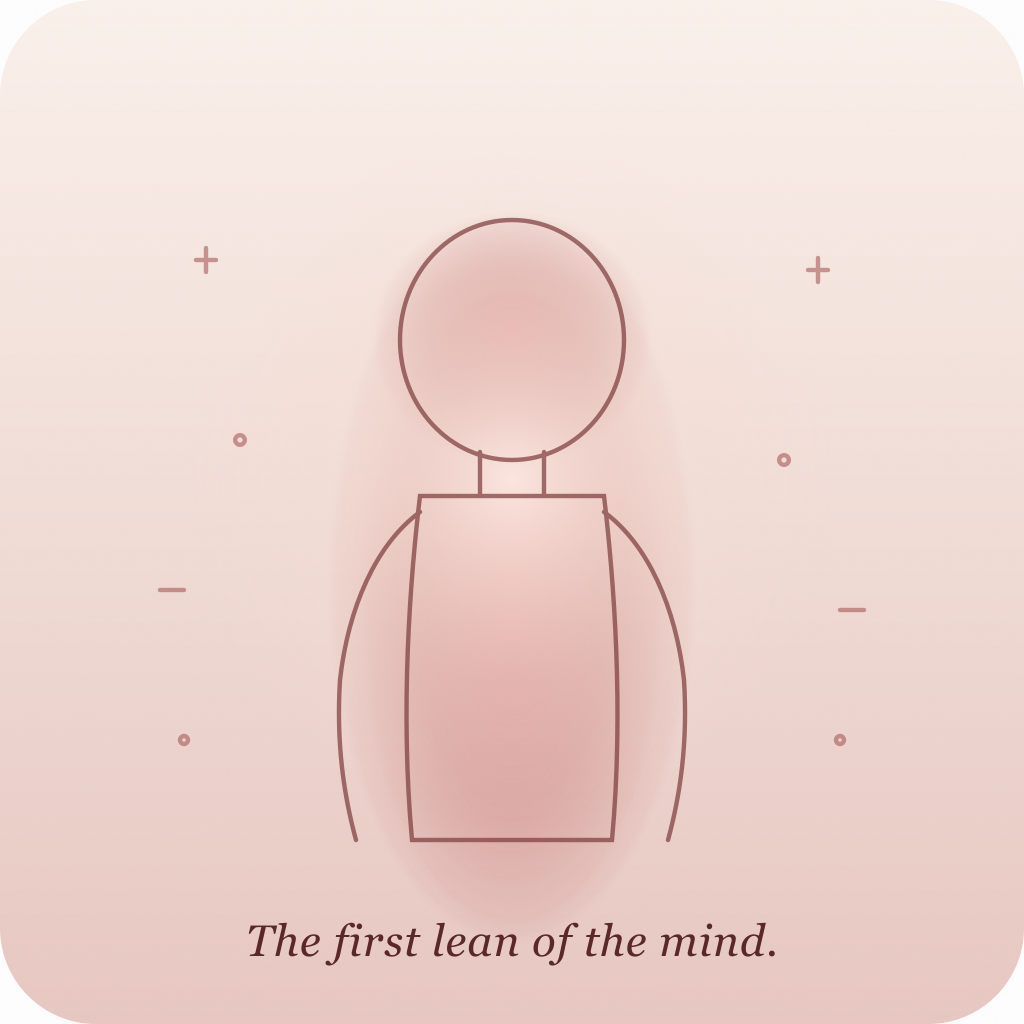
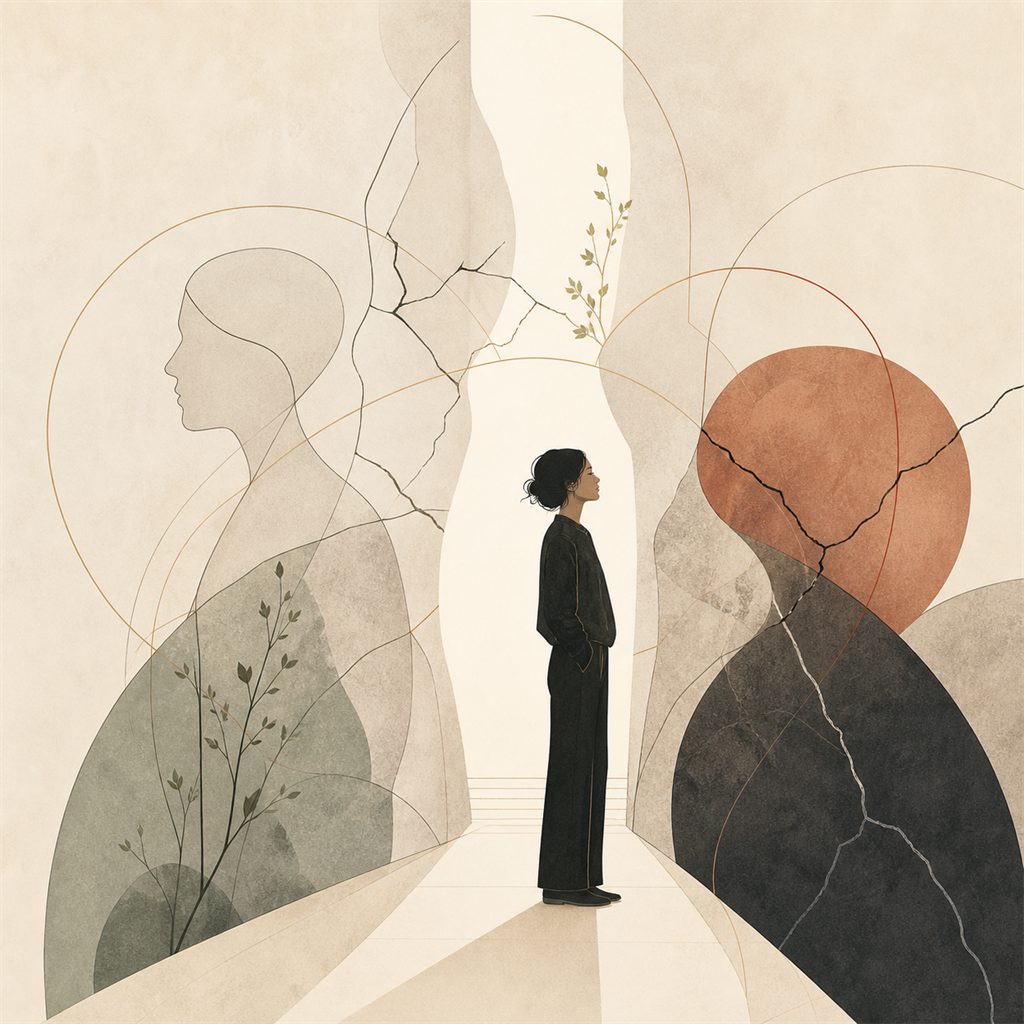
Elaine Aron defined Sensory Processing Sensitivity by four markers — depth of processing, ease of overstimulation, emotional intensity, awareness of subtle stimuli. ~15-20% of the population. Read as a portrait of one person, the four lines describe someone who pauses, absorbs, mirrors, and notices. They describe gentleness more than they describe a disorder.
Why Only Japan
Yuki Takeda's 2018 book 「繊細さん」 sold 600,000+ copies in Japan and pushed the term into daily speech — café self-intros, X bios, magazine specials. The same idea was published in the US, UK, Germany, France with nothing like that uptake. Japan was almost alone in absorbing HSP at the level of a social phenomenon. Why?
Korea's Mirror: ADHD
In the same years on Korean Instagram Reels another word was rising — ADHD. "Day in the life of an ADHD person", "if you have an ADHD friend...", a generation labeling itself "scattered nervous system." Same East Asian region, same era, two opposite words. Sensitivity and distraction are both partly heritable, but which name surfaces depends on what daily life keeps colliding with.
優しい (yasashii) as Cultivated Virtue
Japanese cultivated 優しい — gentleness that reads others' moods, softens conflicts, never bruises — across centuries. The vocabulary is unusually rich: 気配り (anticipating moods), 察し (sensing the unspoken), 気が利く (quick noticing), 思いやり (consideration). A society's depth of vocabulary for a virtue tracks how deeply it has cultivated it. Korea cultivated speed; the linguistic density there is on tempo, not on attunement.
HSP as Social Fatigue, Not Defect
In this reading HSP is not a nervous system flaw. It is the residue left when a society's deepest virtue runs through daily life — the fatigue of people who attune all day, every day, more than the average person can sustain. The name is English (HSP), but the phenomenon belongs to a society that grew gentleness for centuries. The same logic explains Korea's ADHD wave: a virtue of speed produces a fatigue named "scattered."
Insights
Learn more