How to Work Even in Your Dreams
Pre-sleep input design — how humans should survive the AI age
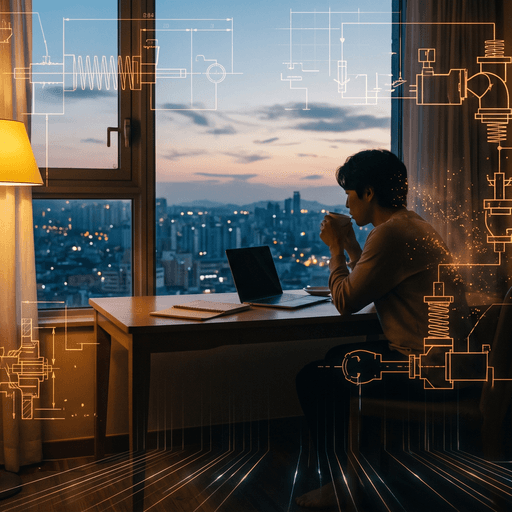
The Pillow as Workbench
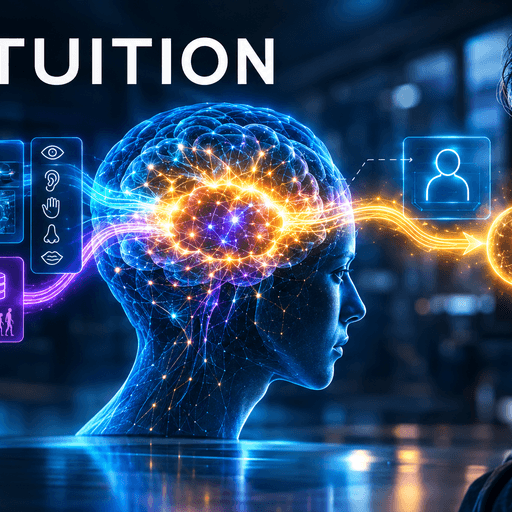
Pre-sleep is the last window where new material can enter the night's combination pool before the daytime forgetting curve takes over. Roll the unsolved question for one to two hours before sleep — those pieces become high-priority candidates for the brain's intensity-weighted random sampling that night.
Why AI Cannot Do This
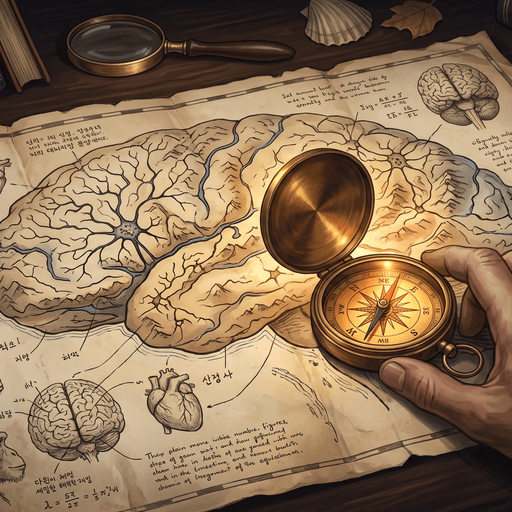
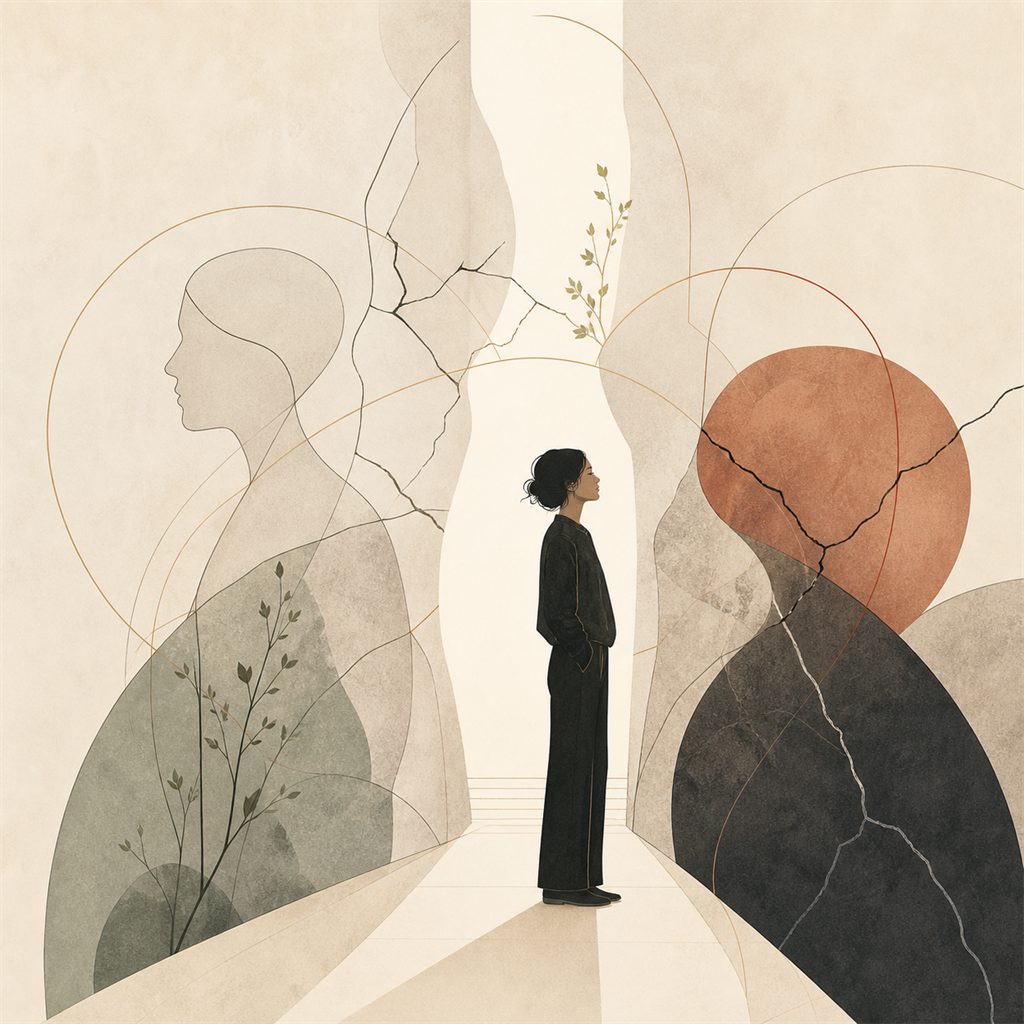
AI is trained on coherent text and reinforced into more coherence; its outputs almost never escape narrative-consistency pressure. Sleep weakens that same pressure for humans. The asleep brain produces combinations that have never been combined before because the consistency check is offline. That gap is architectural.
Where Random Is Friend, Where Random Is Enemy
Test prep wants stability — random recombination is the enemy. Creative work wants novelty — random recombination is the friend. The same nightly process is helpful or harmful by task. Don't try to dream-solve memorization. Do try to dream-solve unsolved design, writing, research questions.
Lay the Problem Out — Don't Try to Solve It
The posture matters. Trying to force the answer adds negative emotional tags to the input pool, which the night samples back as frustrated dreams. The proven posture: spread the problem's structure, set out the angles, and hand the unfinished version to sleep. Sio & Ormerod's 2009 meta-analysis of 117 incubation studies confirms — stepping back raises insight probability.
Evidence That Already Exists
Wagner et al. 2004 (Nature) — sleepers found a hidden rule 60% vs. 22% for wake controls. Cai et al. 2009 (PNAS) — REM sleep boosted remote-association performance, but only for problems pre-exposed before sleep. Lacaux et al. 2021 (Science Advances) — 15 seconds of N1 sleep tripled creative-problem solve rate (83% vs. 30%). Stickgold 2000 (Science) — pre-sleep stimuli appear directly as hypnagogic imagery. Edison's iron-ball trick was experimentally validated.
A Strategy for the AI Age
The WWW Theory said the human edge is in accumulating experiences AI hasn't ingested. This essay extends it to the night: design what enters tomorrow's dream pool, because that pool produces the kind of distant, never-seen combinations that today's AI architecturally cannot. Not "creativity" as ornament — creativity as the part of human work AI is structurally incapable of substituting.
Insights
Learn more