Why We Have Emotions
A Neurobiological Inquiry into Value-Distribution Mechanisms and the Evolutionary Compass
The Paralysis of Decision: Elliot, a Man Without Feeling
Damasio's patient Elliot kept top-tier intelligence, memory and language after surgery for a brain tumor damaged his prefrontal cortex, yet he could not decide which color of pen to sign with or which day to schedule the next appointment. He listed pros and cons endlessly because the emotional full stop that settles what he prefers was gone. Reason is a refined calculator and map; what matters more is decided by emotion.
Evolutionary Continuity: Why All Animals Had to Feel
Darwin saw human and animal emotional expression as one unbroken continuum, and Panksepp showed that all mammals share core emotional circuits beneath the cortex: SEEKING, FEAR, RAGE, CARE and PANIC/GRIEF. As chimpanzees mourning and capuchin monkeys protesting unfair rewards show, emotion is not a late by-product of reason but the oldest value-discrimination device, identifying survival-critical objects in a tenth of a second.
The Brain's Dual Axes: Short-Term vs. Long-Term Emotional Judgments
If the immediate impulse driven by the amygdala and limbic system is the short-term emotional judgment, what we call rational self-control is not emotion erased but the present feeling overridden by a larger long-term feeling that protects the safety and dignity of one's whole life. Swallowing a boss's insult is not cold logic; future anxiety about losing a livelihood is stepping on the brake.
Origins of Individual Differences: Innate Temperament and Adaptive Inhibitory Brakes
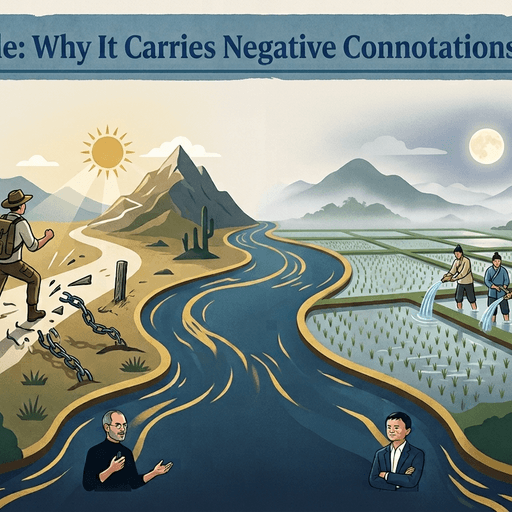
People with wide emotional swings are born with nervous systems finely tuned in the amygdala and oxytocin receptors, the group's 'canaries in the coal mine'; calm people either have a high reactivity threshold or hardened a top-down frontal inhibitory circuit amid chronic chaos in childhood. Much of the gap reflects temperament with 40 to 50% heritability and neural adaptation, not superiority of character.
Demarcating Pathology: Controlled Intellect vs. Defective Machinery
High emotional control is a different matter from the defects of psychopathy or sociopathy. A psychopath is born with a weak amygdala-orbitofrontal link and lacks empathy and fear of punishment; a sociopath arises when genetic vulnerability meets severe abuse and neglect that break attachment circuits. They are not cold reasoners but machines whose long-term compass of guilt, shame and bonding is broken.
The Compass of Existence: Reason Draws the Map, Emotion Sets the Direction
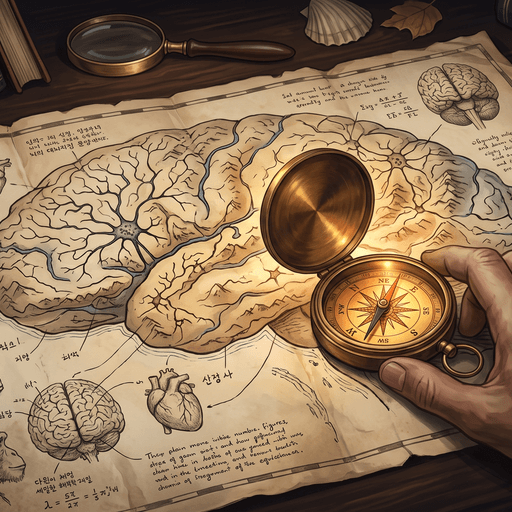
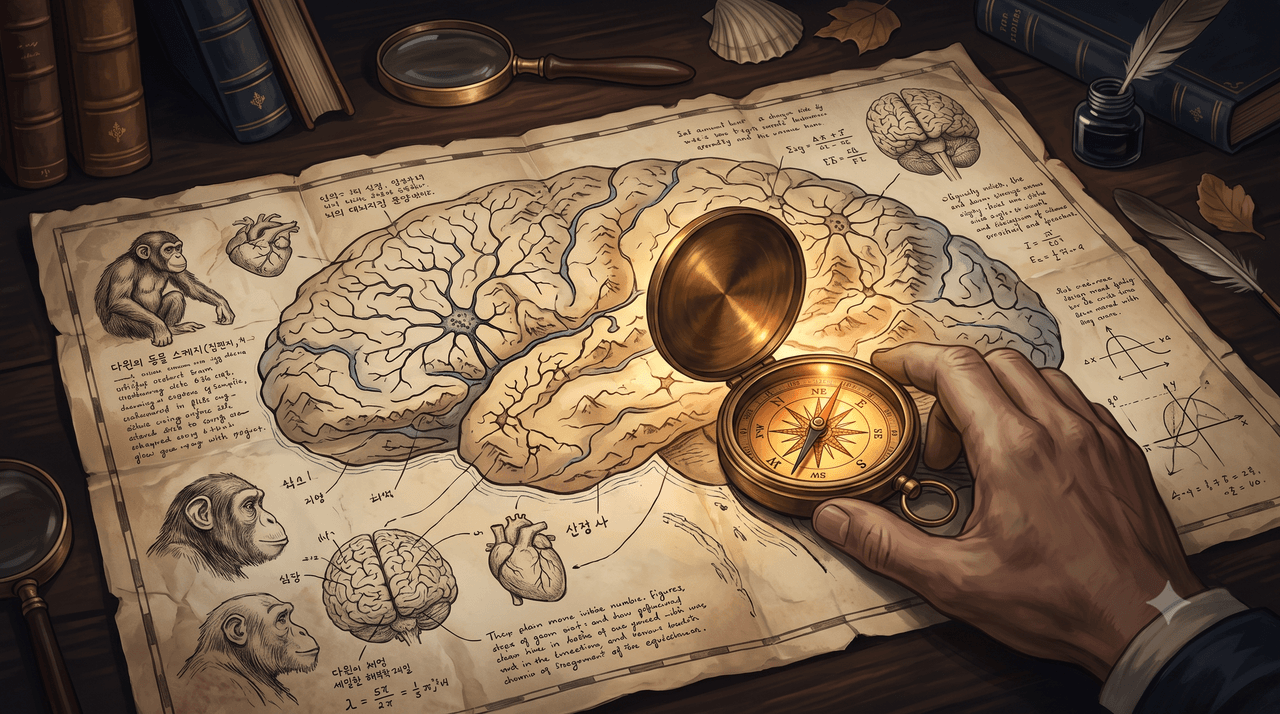
Neither tearfulness nor calm is a defect. Emotion is not noise disturbing reason but the ultimate value-distribution mechanism that puts a full stop on a flat sea of data: this matters to my life. When the compass that lights the destination (emotion) meshes with the map that guides the route (reason), a person moves beyond empty calculation to a life that has meaning.
Insights
Learn more