
WWW Theory — How Should Humans Survive the Age of AI
Who · What · Where — A Strategy of Three Openness Axes
Why Creativity Isn't the Answer
The professions labeled "creative" — illustrators, copywriters, translators — fell first. Much of what we called creativity was pattern recombination, which is what LLMs do best.
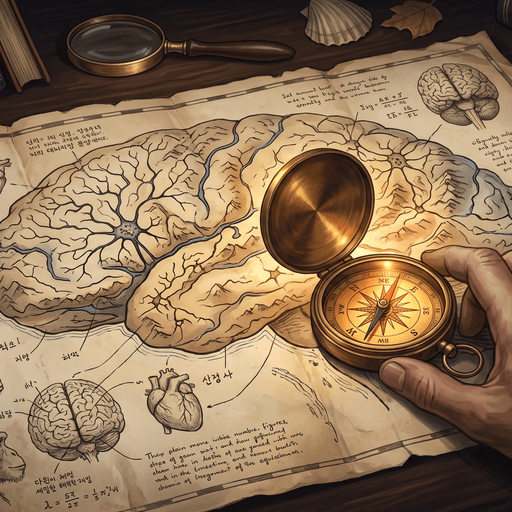
Stepping Off the Map
AI reads the already-drawn map well, but generating new facts by bumping against reality remains a human act. That step becomes the next generation's training data.
What History Actually Shows
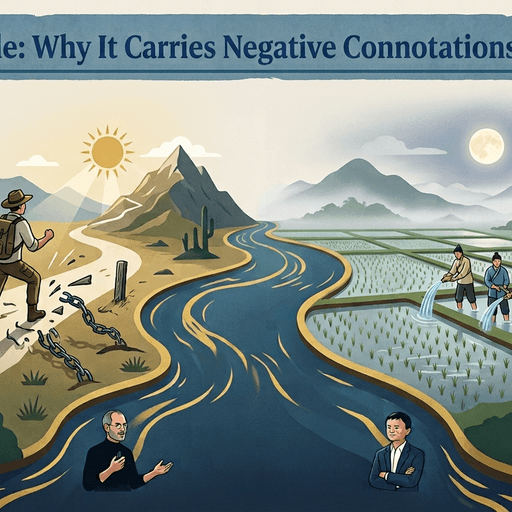
Ordinary people survived great transitions not through cleverness but through movement. 50 million Europeans crossed to the Americas. The Irish boarded ships. The pattern is physical relocation.
Language Openness
English gives you 40–50 countries as options. Without it, you're narrowed to 2–3. Even with AI translation, thinking directly in English vs. through a translator leaves a hard-to-cross gap.
Experience Openness
Experience is practice in general adaptability — the ability to attach to whatever work remains. Immigration markets and new industries alike take people who've actually done things.
Place Openness
Not emigration to one country, but readiness to move anytime. The Chinese diaspora, Jewish diaspora — survival not as settlers but as movers. The three axes only work together.
Insights
Learn more