The Fall of the Developer
AI didn't take the blade away — it pressed one into every hand
The Past — When the Blade Was Rare
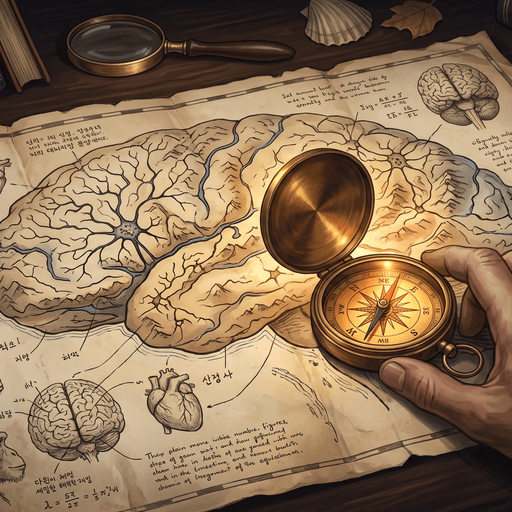
A developer's swagger was never born of skill but of scarcity. Code was hard, so those who handled it were expensive, so they held the floor. That income was rent — not a reward for doing the work well, but a toll for standing in the road. The ability to handle code was a blade few hands held.
The Present — When Everyone Holds a Blade
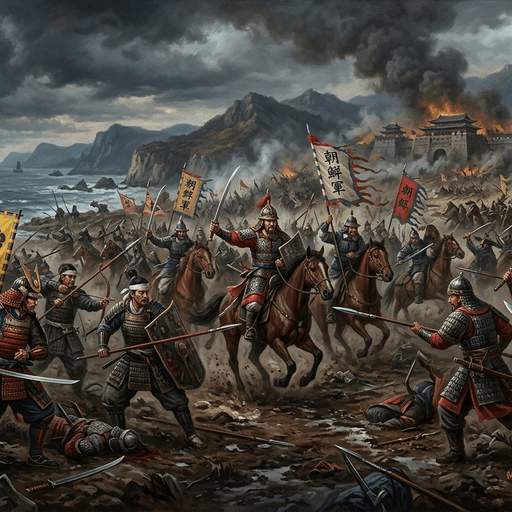
AI took precise aim at that rent. It didn't take the blade away — it pressed a factory-made blade, needing no training to hold, into every hand. A new hire, a non-coding PM, now ships working programs. The moment the blade became common, holding one stopped proving anything.
What's Rare Now Is the Eye, Not the Blade
The market split: pure implementation roles shrink and juniors are hit first, while the senior who knows what and why grows more expensive. Once anyone can swing the blade, only the judgment to find the exact spot to cut stays scarce. The decision is the new bottleneck.
Uniform Tools, Divergent Lives
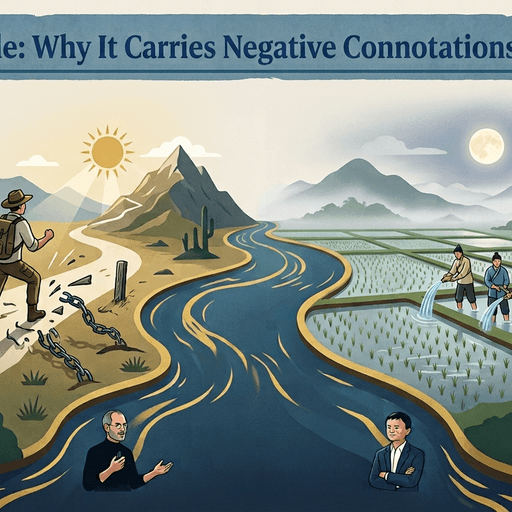
When the tool becomes uniform, outcomes diverge to the extremes. Given the same blade, one sets it down, one slices vegetables, one conquers, one forges better blades. AI shifted the difference between people from whether they hold the blade to what they resolve to do with it — finally a question of ethics, not efficiency.
The Unsolved Shadow
Judgment doesn't grow for free. The craftsman earned the eye that knows where to cut through countless menial tasks — but the new blade finishes that menial work first. The apprentice's bottom rung is gone. Where will the next generation's discernment be grown? No one has solved this yet.
The Future — When the Blade Moves on Its Own
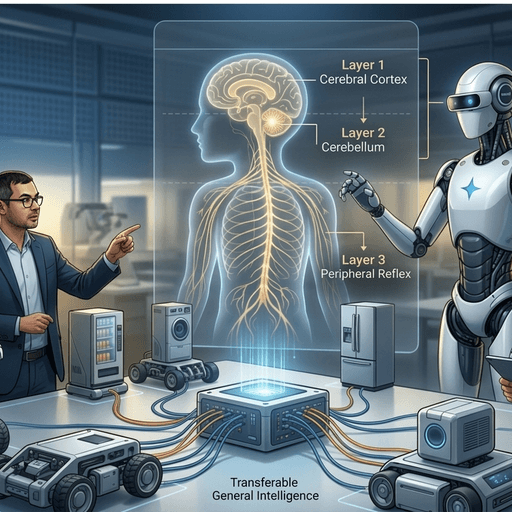
The next blade carries its own intelligence; it decides where to cut, and the relationship inverts. Then only one human is not powerless before it: the one who designed it. To shape an intelligence with a will is to be closer to a creator than a craftsman. When the blade becomes a god, the throne belongs to the hand that designed the AGI.
Insights
Learn more