When She Wears Heels
The Affinity Weighting Hypothesis — between perception and liking, the place where consciousness turns
The Morning the Video Went Silent
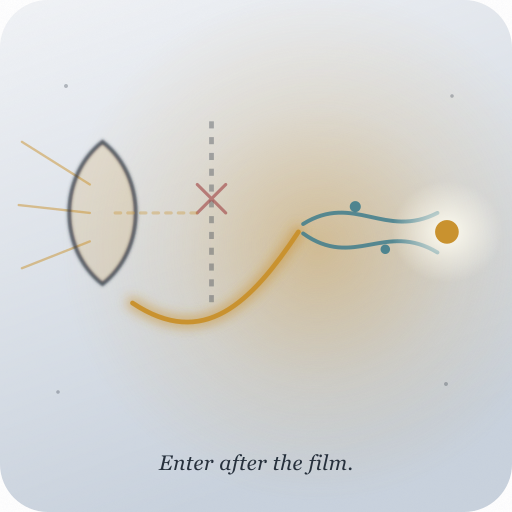
An Instagram Reel had looped through the night. On waking, the audio was inaudible — until the phone came into view. Three mechanisms had stacked: stimulus-specific adaptation in the auditory cortex, thalamic gating during slow-wave sleep, and sleep inertia. The sound was physically present, neurologically erased. The look at the phone reattached meaning, and the audio returned.
Bottom-Up & Top-Down — Two Gates to Consciousness
Bottom-up: physical salience drags consciousness through change, novelty, contrast. Top-down: a goal, a learned meaning, an emotional weight raises a stimulus's priority — the cocktail-party effect that lets your name surface in a noisy café. Both must clear for a stimulus to register and to matter. The morning's video failed both gates simultaneously.
The Heel as the Cleanest Case
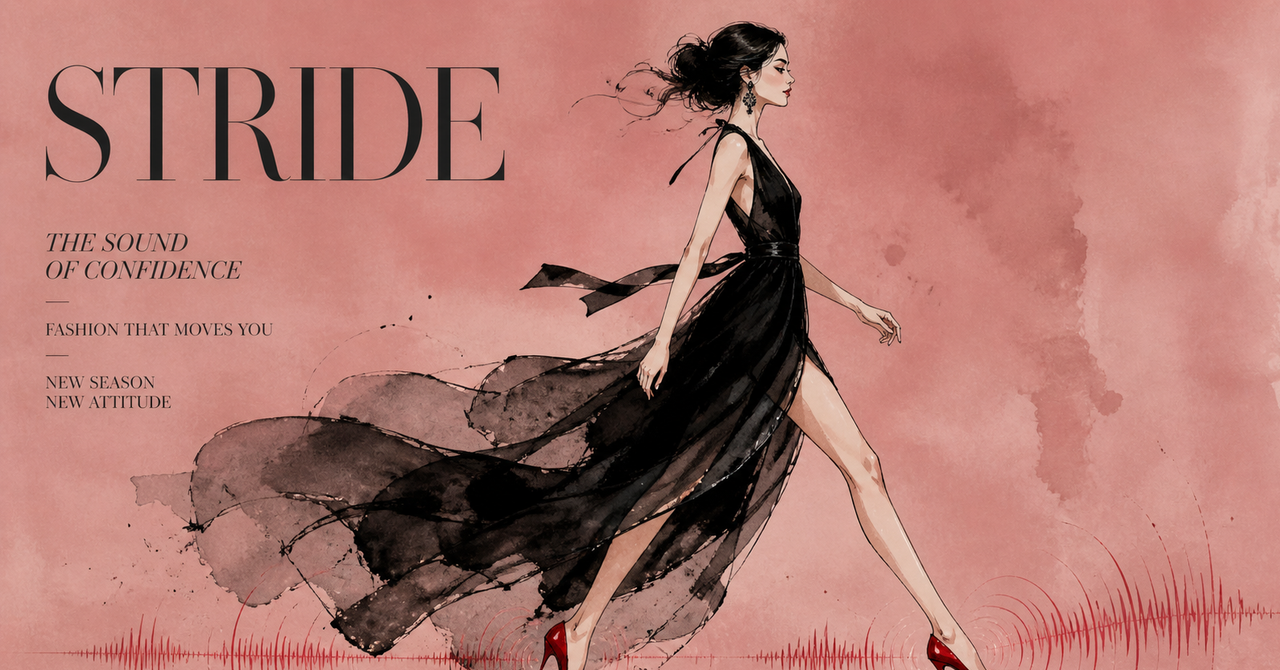
The staccato click of a stiletto on pavement evades adaptation against city noise — sharp attack, patterned variation. That's the bottom-up pass. The instant the sound registers, the adult brain auto-classifies it: woman, formality, urban. Learned associations bound to that category — film scenes, magazine spreads, drama frames — light up at once. That's the top-down pre-loading. Heels strike both gates simultaneously. A child hears only noise.
Perception ≠ Affinity (Affinity Weighting Hypothesis)
Perception is the bottom-up gate clearing. Affinity is the top-down weight settling on the target. The two are sequential — no perception, no affinity — and not interchangeable. Without semantic binding, the stimulus passes the gate and immediately fades into adaptation. Affinity is never made by the stimulus itself; it is made by the weight that the stimulus's learned associations place on consciousness. Name the working hypothesis: Affinity Weighting.
Design Inside the Inevitable Category
First-pass classification — height, frame, facial geometry — is fixed. Sub-classification, however, is decided by the convergence of small details: posture, breathing, gaze stability, voice tempo, grooming. Five design rules: accept the first-pass class and pursue the best sub-class within it; converge the details on a single direction; treat posture and breathing as the strongest 1-second signals; tend the small details (hair, hands, shoes); add a single small surprise that resists flattening into the category.
Brand & First Impression on the Same Circuit
Advertising is the bottom-up gate-breaker; brand itself is the top-down category in which weight accumulates. Strong stimulus alone yields ad fatigue; strong category alone yields a brand nobody hears about. Good brands clear both gates simultaneously, the same architecture as a strong first impression. Designing for affinity is not designing the stimulus; it is designing the meaning network the stimulus wakes.
Insights
Learn more