Alzheimer's: Identity Preservation
Identity Preservation Hypothesis — A Medical Application of Korean Memorization Methods
Identity, Not Total Memory
A person's core identity information — name, family, home, daily routine — amounts to less than 0.01% of total memory. Targeting this narrow cluster instead of generalized cognitive ability makes preservation achievable.
Circuit-Level Asymmetry
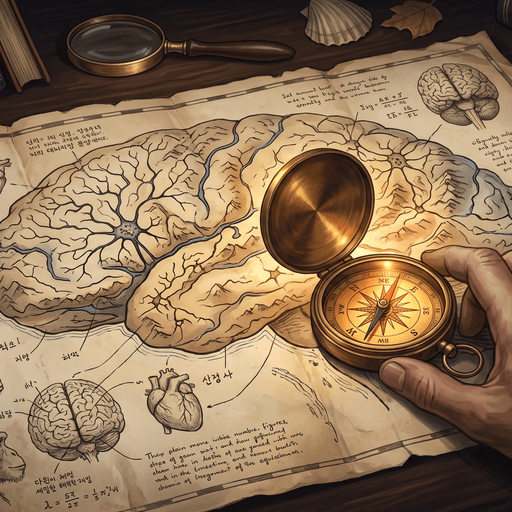
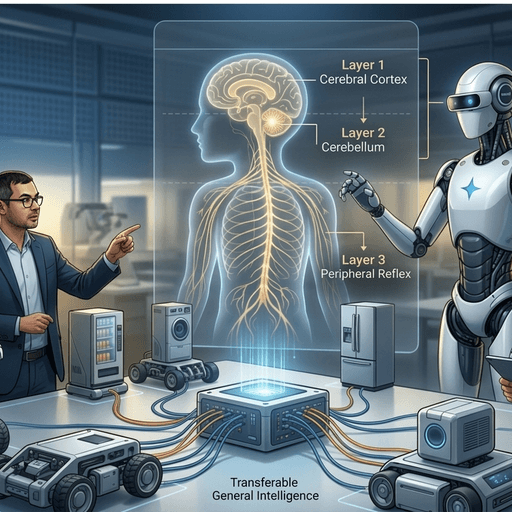
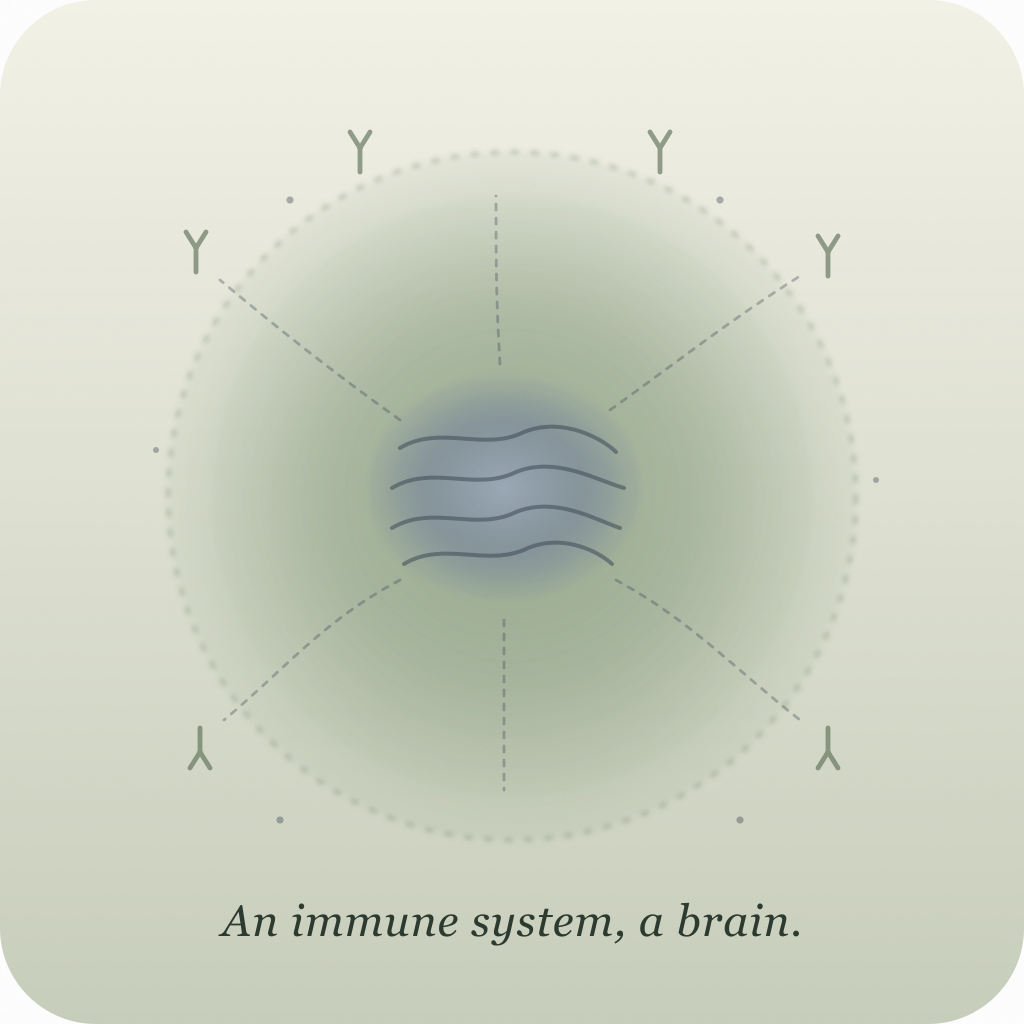
Alzheimer's damage follows a predictable circuit-by-circuit sequence (Braak stages). Frequently used circuits are preserved longer — the molecular basis for targeted reinforcement.
Synaptic Use-It-or-Lose-It
Synapses strengthen with repeated activation (LTP) and weaken without use. Daily multichannel stimulation of identity circuits maintains denser-than-average synaptic density, delaying functional collapse.
Five Korean Learning Methods
Error notebook, consolidation (단권화), recitation, multichannel association, and repetition schedule — adapted from Korea's century-old exam culture to elderly patient conditions with dignity and emotional safety.
Family as Active Reinforcer
Family members become updaters and reinforcers, not passive observers. Family voice recordings activate emotional circuits that persist even after cognitive circuits weaken — a RAID-like distributed storage.
Complement to Drug Therapy
Circuit-level intervention combined with molecular drugs (lecanemab, donanemab) may produce multiplicative effects. This protocol does not replace medication but targets what medication cannot: identity preservation.
Insights
Learn more